Trekking Equipment — What to Bring for Your Nepal Trek
We get asked about packing a lot — and we always say the same thing: bring less than you think you need, and make sure everything you do bring has been tested before you arrive.
The mountains are not the place to discover that your boots give you blisters or that your rain jacket leaks. A little preparation at home makes an enormous difference on the trail.
Below you will find our
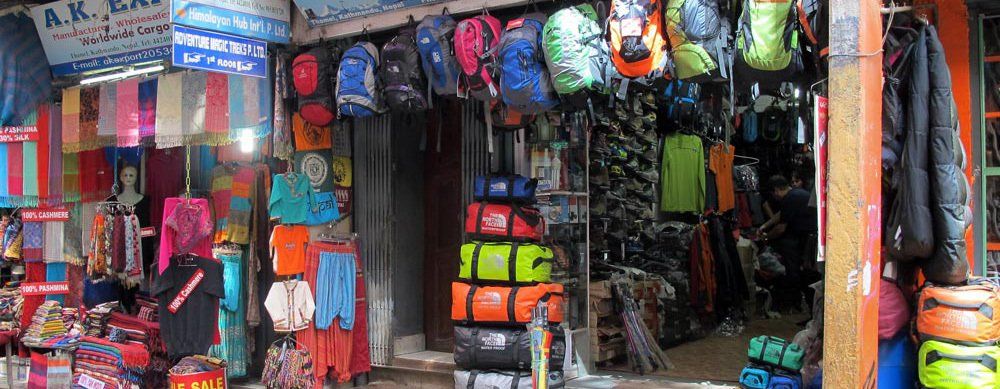
complete packing list for a regular multi-day trek. If you realise you have forgotten something when you arrive in Pokhara or Kathmandu, please do not worry — both cities have plenty of gear shops with well-priced equipment available to rent or buy.
Packing List:
Walking
- Comfortable hiking boots – tried and tested before your trekking starts
- Spare boot laces
- 2-3 pairs good quality walking socks, recommendable are socks made from Merino wool (odourless)
- Walking or hiking poles
- Waterproof jacket
- Fleece jacket
- Down jacket (in winter or for higher altitudes)
- 2-3 hiking shirts
- Thin & warm hiking trousers
- Thermal underwear
- Warm hat
- Warm gloves
- Neck warmer
- Sun hat
- Sunglasses
- 2 refillable water bottles (each at least 1 litre)
Carrying
- Large rucksack (55 to 70 litres)
- Waterproofed rucksack cover
- Day bag (25 to 40 litres) in case you booked a helper
Resting & Sleeping
- Fleece sweater
- Sweatpants or other comfortable trousers
- Sneakers to wear in guest houses
- Bath slippers
- Sleeping bag - temperature certification depends on the trekking route
- Sleeping liner - even if the lodges provide warm blankets, they don’t change the bed liners every day, so your own liner is a comfortable and hygienic alternative
- Warm pyjamas or long underwear
- Ear plugs for the nights – the walls in lodges are very thin
- Headlamp or torch
Body care
- High factor sun cream
- Lip balm preferably with sun block
- Toiletries
- Travel towel – fast drying
- Toilet paper
- Disinfectant for hands
- Whatever you need for your personal well-being
A Little More Detail — For Those Who Want It
Your hiking boots are the single most important item you will pack. Please make sure they are waterproof, well-worn in, and provide good ankle support — especially for higher altitude routes where the terrain becomes steep and rocky. New boots on day one of a trek is something we would always gently advise against.
A good backpack makes the whole experience more comfortable. Look for one with solid ventilation, a comfortable harness, and always bring a rain cover — the weather in the mountains can change quickly.
When it comes to your sleeping bag, choose one with a temperature rating appropriate for your route. Lodges along the trail provide warm blankets, but the bed liners are not always changed between guests — so bringing your own sleeping bag or liner is something we always recommend for both comfort and hygiene. If you prefer not to bring one from home, sleeping bags are available to rent in Pokhara and Kathmandu.
For clothing, the key principle is layering. The temperature can change dramatically between the valley floor and higher elevations — and between morning and afternoon. A combination of breathable base layers, warm mid-layers, and a waterproof outer shell will serve you well in almost any condition.
And finally — if you would like to travel light and let someone else carry the heavier load, please do consider
hiring a local helper. It makes your trek more comfortable and directly supports a local family. We are always happy to arrange this for you.
Still Have Questions About What to Pack?
Please do not hesitate to reach out — we are always happy to give you personal advice based on your specific trek, the season, and your experience level. We look forward to hearing from you.