Nepal Etiquette — How to Connect Respectfully With the People You Meet
October 4, 2024
A Few Simple Gestures That Mean Everything
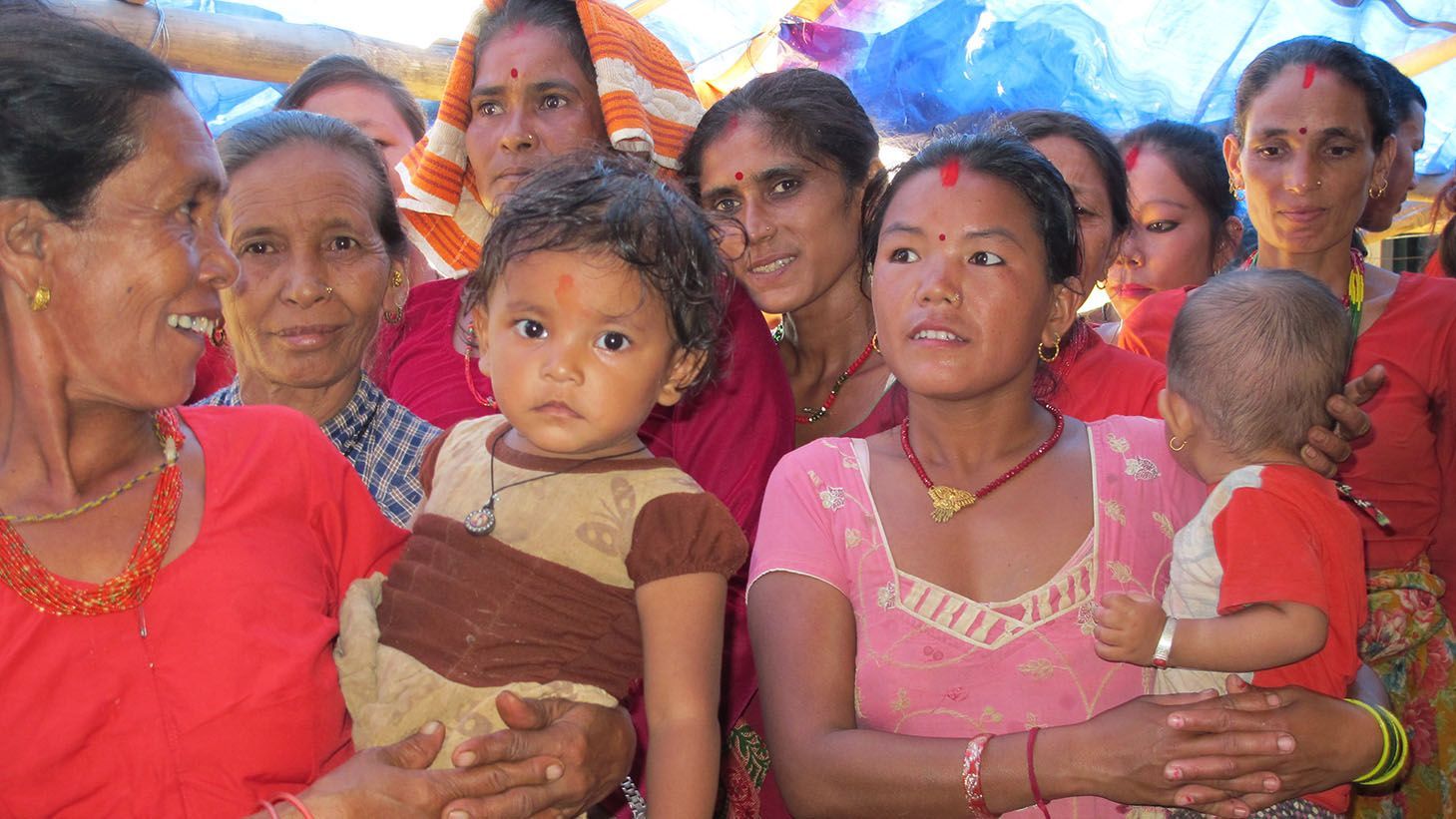
Nepal is one of the warmest and most welcoming countries in the world. The people you meet on the trail, in the teahouses, and in the villages will greet you with genuine kindness — and a little knowledge of local customs goes a very long way in return.
This guide covers the things we share with every guest before they arrive. None of it is complicated. It is simply about showing respect and openness — and the connections you will make as a result are some of the most memorable parts of any visit to Nepal.
Greetings — Namaste
The most important word you will learn in Nepal is
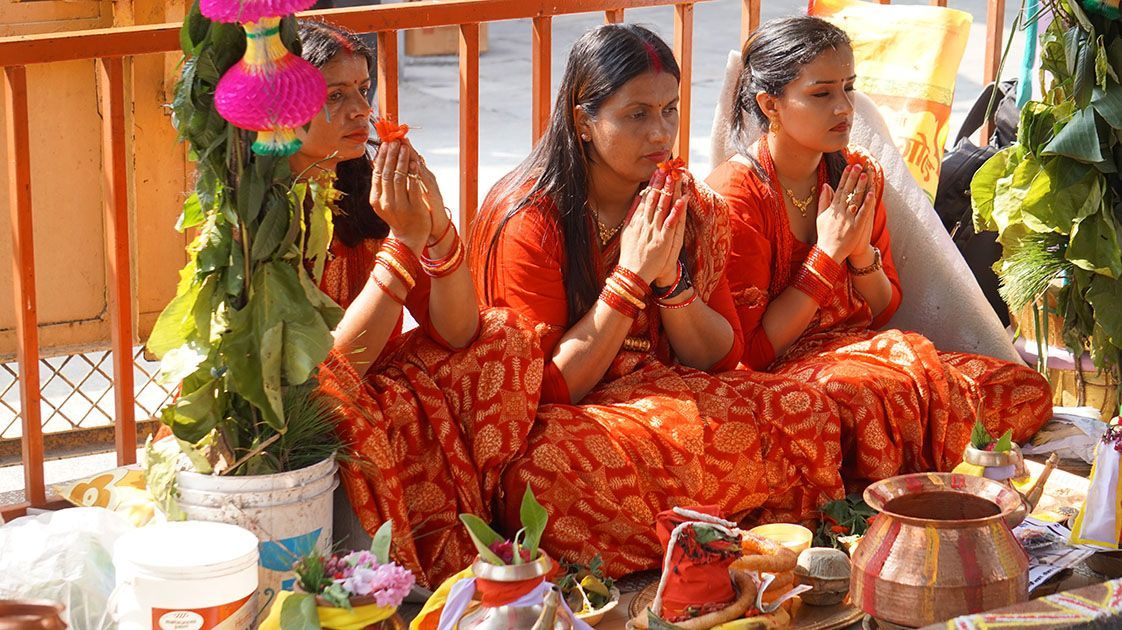
Namaste — a greeting that acknowledges the divine in the person you are meeting. Place your palms together in a gentle prayer-like gesture and say Namaste when you pass locals on the trail or in the village. You will almost always be met with a warm smile in return.
It is a small gesture, but it means a great deal.
Dress Modestly
Nepal is a deeply traditional country, and modest dress is a mark of respect — especially in rural areas and near religious sites. We always recommend clothing that covers your shoulders and knees when visiting temples, monasteries, or local communities. Comfortable, weather-appropriate trekking gear usually takes care of this naturally.
Respect for Religion and Spirituality
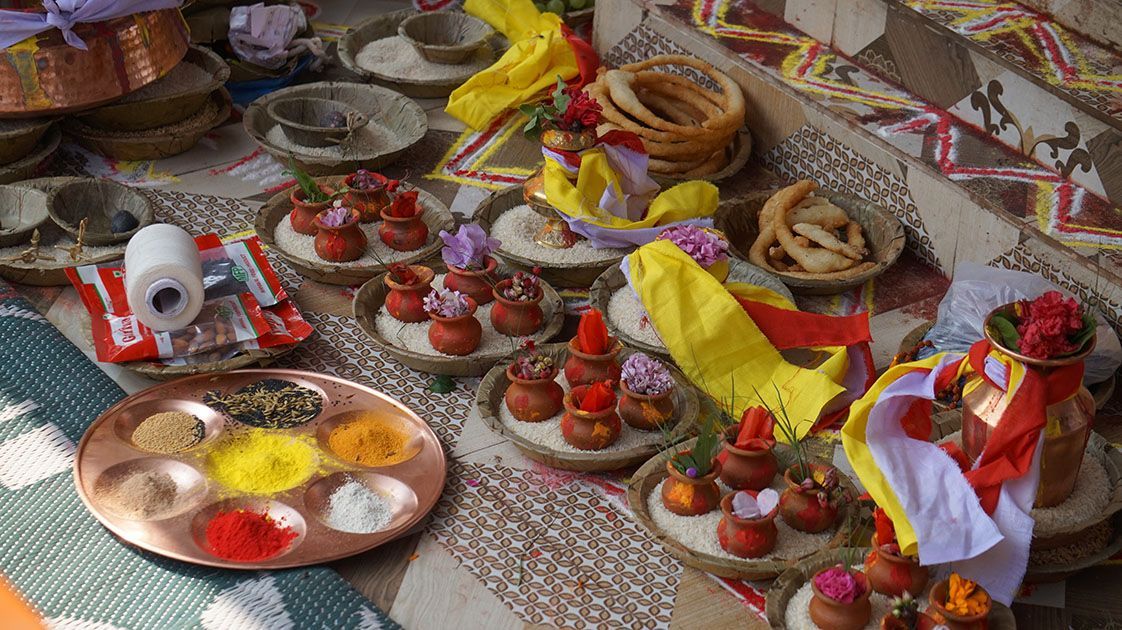
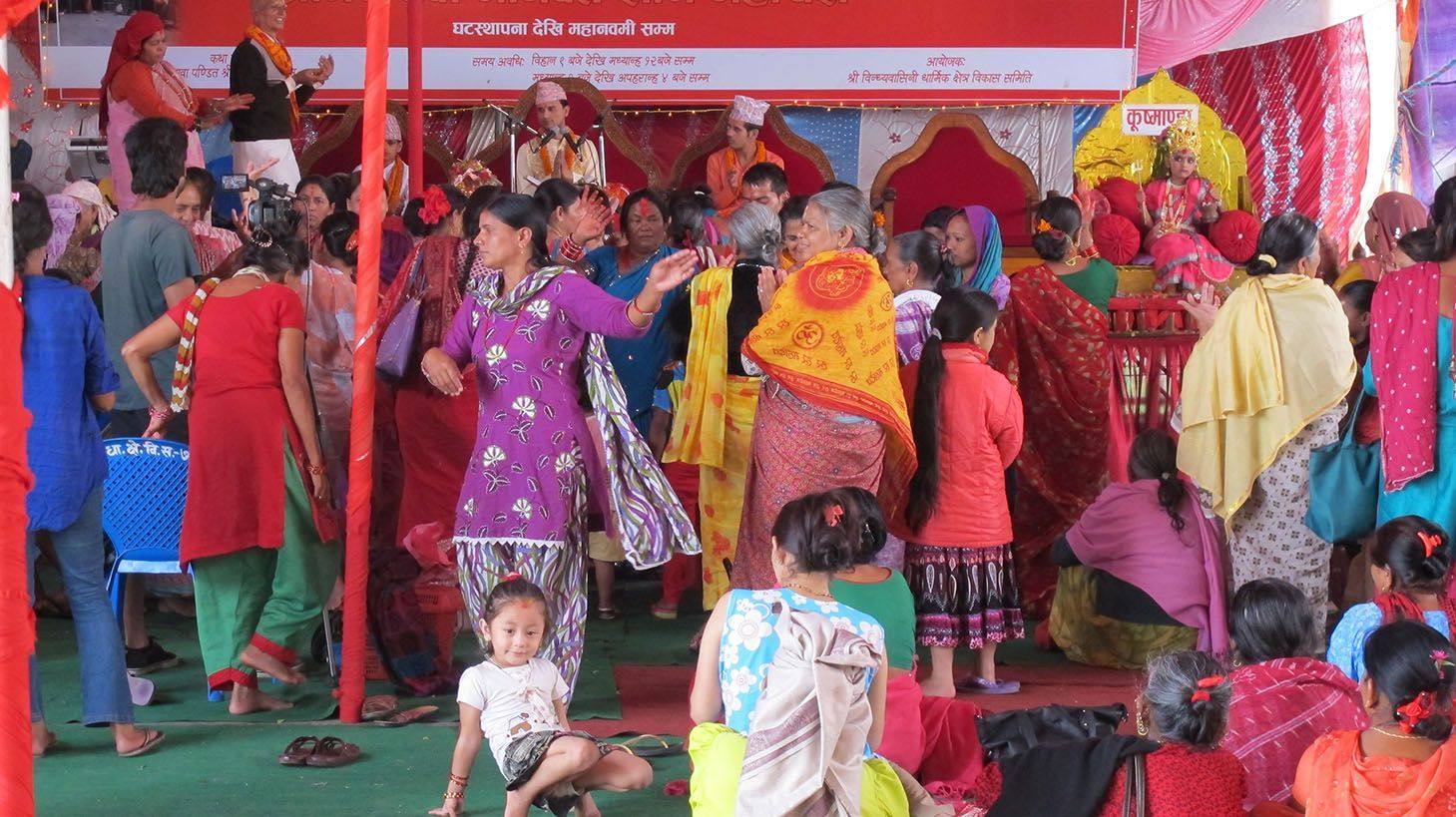
Nepal is a predominantly Hindu country with a significant Buddhist population, and religion is woven into everyday life.
Here are the most important things to keep in mind:
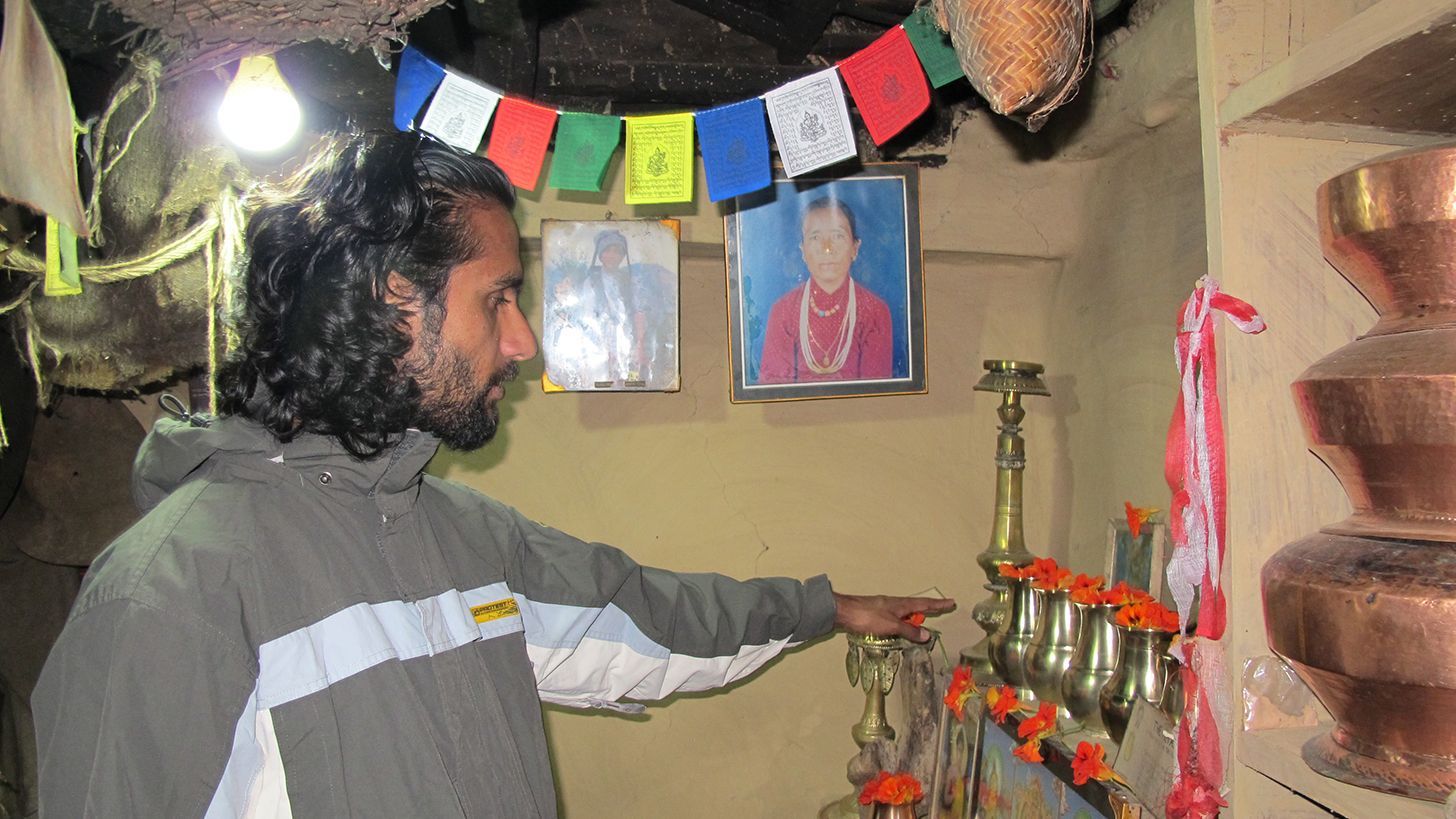
- Always remove your shoes before entering temples, monasteries, or local homes. This is a sign of deep respect and is observed by everyone.
- Walk clockwise around stupas, mani walls, and prayer wheels. This follows the direction of Buddhist prayer and is considered respectful.
- Avoid pointing your feet at religious objects, altars, or people. If you need to sit and rest near a shrine, tuck your legs to the side.
- Maintain a
quiet and respectful demeanour near sacred sites. Loud conversations and disruptive behaviour are not appropriate in these spaces.
Photography — Always Ask First
Nepal offers extraordinary opportunities for photography. But before photographing people, particularly in remote villages or during ceremonies, please always ask for permission first. Most people are happy to say yes — and the act of asking shows genuine respect that opens doors to much warmer and more meaningful interactions.
Dining Etiquette
When eating with locals or in teahouses, a few simple customs are worth knowing:
- Always eat and pass food with your right hand. In Nepali culture, the left hand is considered unclean and using it at mealtimes is considered disrespectful.
- Try to
finish what is on your plate. Leaving a lot of food uneaten can be seen as wasteful. If you are full, a gentle "Ma khana sakiyen" — meaning "I have eaten enough" — is always appreciated.
Gifts and Hospitality
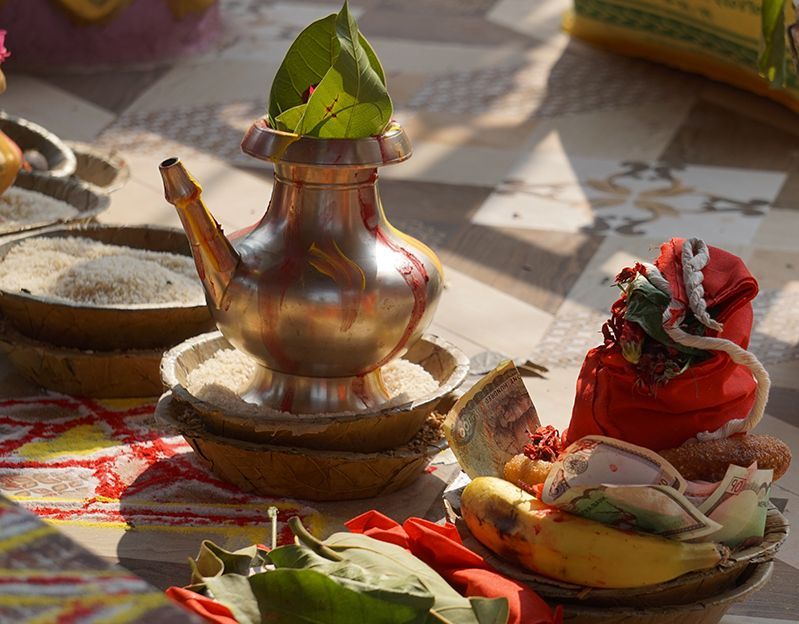
If you are invited into someone's home — which does happen on our treks, and it is always a wonderful experience — it is a lovely custom to bring a small gift. Fruit, sweets, or a small token from your home country are all very welcome. It is not expected, but it is always appreciated and creates a warm connection.
Your Guides and Helpers
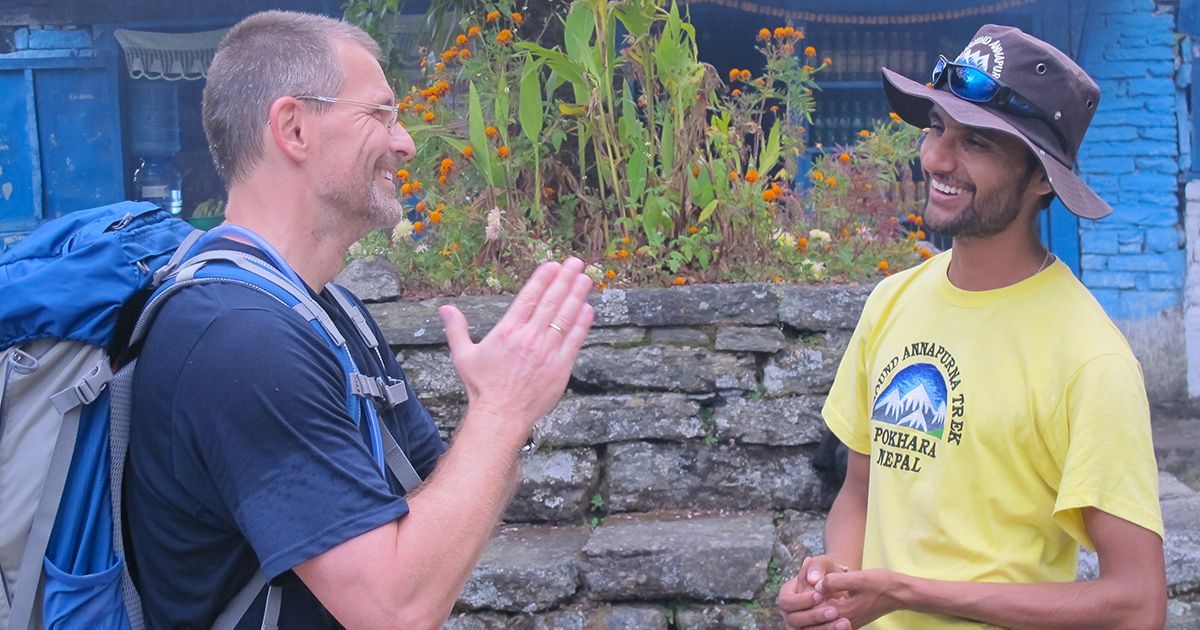
The guides, helpers, and teahouse families you meet along the trail work very hard and take great pride in what they do. Taking the time to acknowledge them, ask about their lives, and show genuine interest in their culture makes a real difference. These are the people who make your trek what it is — and the relationships you build with them are often what guests remember most.
Leave No Trace
Nepal's culture has always had a deep respect for nature. As guests in these mountains, we ask every visitor to carry their waste back down with them, minimise plastic use, and follow the principles of Leave No Trace. This is not only the right thing to do — it is also the greatest sign of respect you can show for the country and its people.
Be Curious and Open
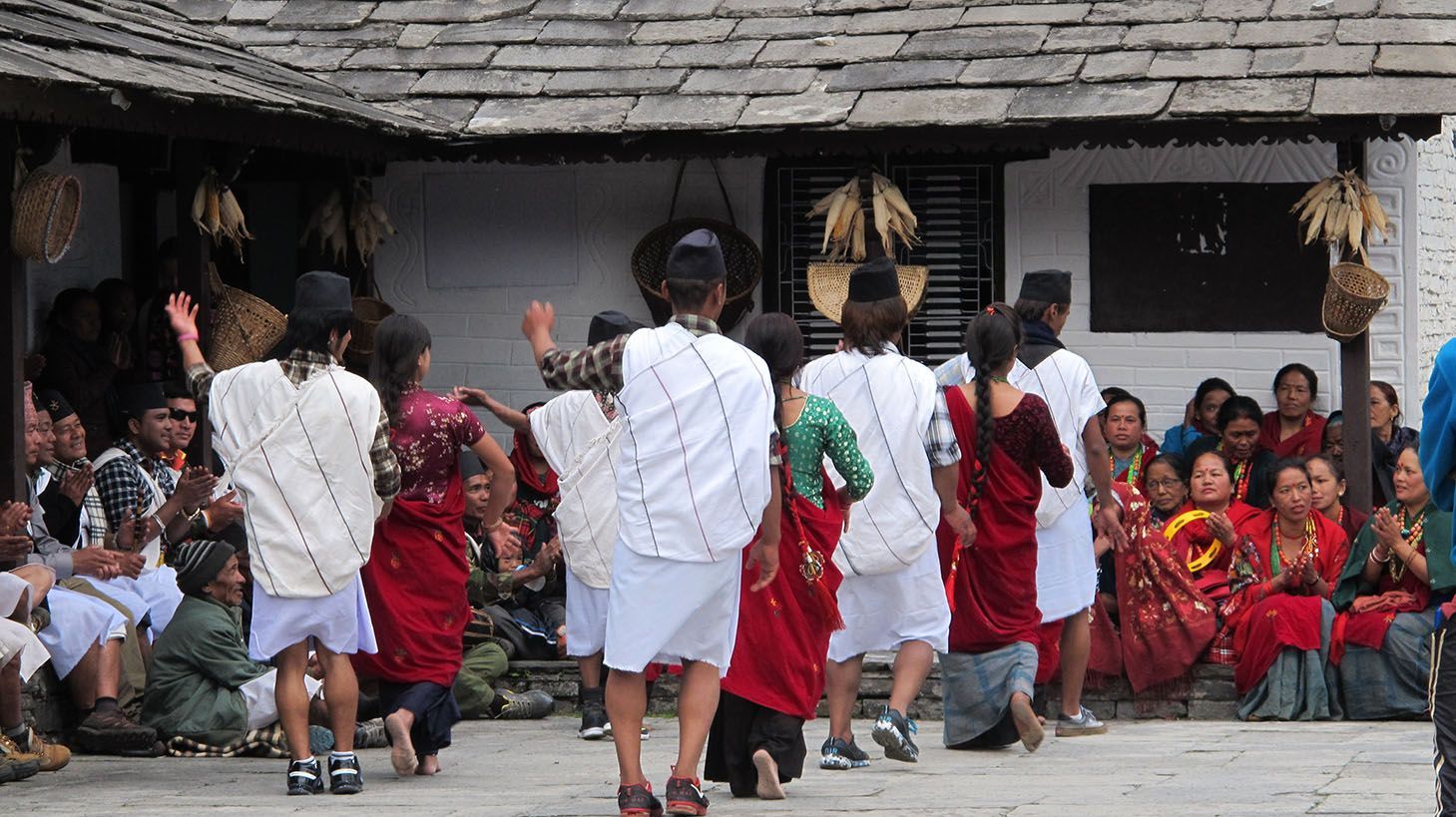
Every valley, every village, and every community in Nepal has its own distinct traditions and way of life. The more curious and open you are, the richer your experience will be. Ask questions, listen carefully, and participate whenever you are invited. You will come home with stories that stay with you for a very long time.
Nepal's customs are not rules to follow reluctantly — they are an invitation to connect more deeply with one of the most extraordinary cultures on earth. We hope this guide helps you feel prepared and confident before you arrive.
If you have any questions about cultural etiquette or what to expect on your trek, please do not hesitate to reach out. We are always happy to help.
Breathe in. Breathe out. Enjoy Nepal.
Ready to Experience Nepal With Us?
Here are aur best treks and tours from Pokhara.