Stay Safe on Trek in Nepal — What You Need to Know
Feb 17, 2023

How to Stay Safe and Prepared on the Trail
Trekking in Nepal is one of the most rewarding experiences in the world. The mountains are extraordinary, the culture is rich, and the trails are unlike anything else on earth. But the terrain can be challenging and the weather unpredictable — and a little preparation goes a long way.
Here are the most important safety guidelines we share with every guest before they set off.
- Hire a local guide — A good guide knows the area, the routes, the potential hazards, and the culture. Since April 2023, trekking with a licensed guide is also mandatory in Nepal. Beyond the legal requirement, it is simply the best decision you can make for your safety and your experience.
- Get insured — Please make sure you have adequate travel insurance before you arrive, including emergency evacuation and medical coverage. This is something we feel strongly about and always mention to our guests.
- Pack appropriately — Good clothing and gear make an enormous difference on the trail. Warm layers, waterproof jacket, sturdy hiking boots, hat, and sunscreen are all essential. Carry enough food and water for the full day.
- Stay on the trail — Please stick to the designated path and avoid shortcuts. It is easier than you might think to wander into unfamiliar and dangerous terrain.
- Be aware of altitude sickness — Symptoms can range from mild headaches to severe dizziness and shortness of breath. If you feel unwell, stop ascending immediately and let your guide know. Descending to a lower altitude is always the right decision if symptoms persist.
- Respect the environment — Nepal's natural beauty is fragile and precious. Please follow Leave No Trace principles and carry your waste back down with you.
- Stay safe from wildlife — Nepal is home to leopards, bears, and cobras. Please do not approach or disturb wildlife, and always follow your guide's advice in remote areas.
- Plan for the weather — Conditions in the mountains can change very quickly. Check the forecast before you set off and always be prepared for rain, wind, and sudden temperature drops.
- Communicate your plans — Let someone know your itinerary and estimated arrival times. Stick to your schedule as much as possible and inform your guide of any changes.
By following these guidelines, you can ensure a safe and truly enjoyable trek. And remember — we are always here if you have any questions before you set off. Breathe in. Breathe out. Enjoy Nepal.
The Benefits of Hiring a Local Guide


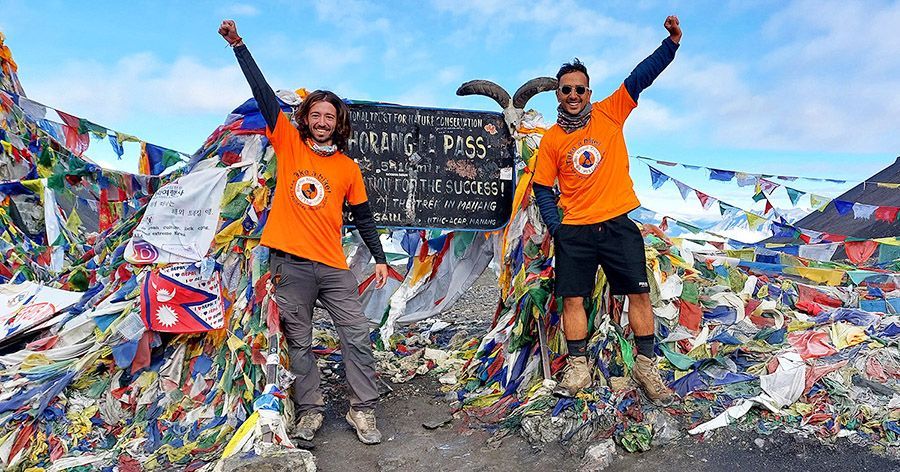
We may be a little biased — but we genuinely believe that trekking with a local guide is one of the best decisions you can make in Nepal. Here is why.
- Local knowledge — Our guides know these mountains intimately. The best routes, the potential hazards, the teahouses worth stopping at, and exactly what to do if something unexpected happens.
- Safety — Every guide we work with is trained in first aid and experienced in responding to emergencies. In case of injury or illness, they can provide immediate support and coordinate evacuation if necessary.
- Communication — In remote areas, being able to communicate with local authorities and emergency services is invaluable. Our guides handle this completely.
- Navigation — The trails in Nepal can be confusing, especially in poor weather or at altitude. A guide ensures you always know where you are and where you are going.
- Support — Having someone by your side who genuinely cares about your wellbeing makes the whole experience more comfortable, more enjoyable, and more meaningful.
- Stress reduction — When someone else is taking care of the logistics, the permits, the accommodation, and the meals, you can focus entirely on the experience. That is exactly what we aim for.
- Cultural connection — Our guides are a bridge to the culture, the communities, and the traditions along the trail. That connection is something you simply cannot get trekking alone
Emergency Contact Numbers
We hope you never need these — but please do save them before you set off.
- Tourist Police: 1144 (Kathmandu valley) / 16600102098 (outside Kathmandu valley)
- Nepal Police: 100
- Ambulance: 102
- Fire Department: 101
- Nepal Army: 1133
- Local Hospital: Ask your hotel or guide for the nearest number
We also recommend informing your embassy or consulate of your itinerary before you begin your trek. And for remote areas where mobile signal is limited, a satellite phone or inReach device is a very worthwhile investment.
Ready to Trek Safely With Us?
Here are our best routes from Pokhara.