Guide to Annapurna Trekking Weather — What to Expect in Every Season
Jan 23, 2023

One of the most common questions we receive is: what is the weather like on the trek? And our honest answer is always: it depends on when you come — and how high you go.
The Annapurna region is wonderfully diverse. The weather at lower elevations is very different from what you experience at 4,000 metres. And each season brings its own character, its own beauty, and its own challenges.
Below you will find our honest, season-by-season guide for every major trekking route we offer — so you can plan with confidence. And please do not hesitate to reach out if you would like our personal recommendation for your specific dates.
The Four Seasons at a Glance


Spring (March to May)
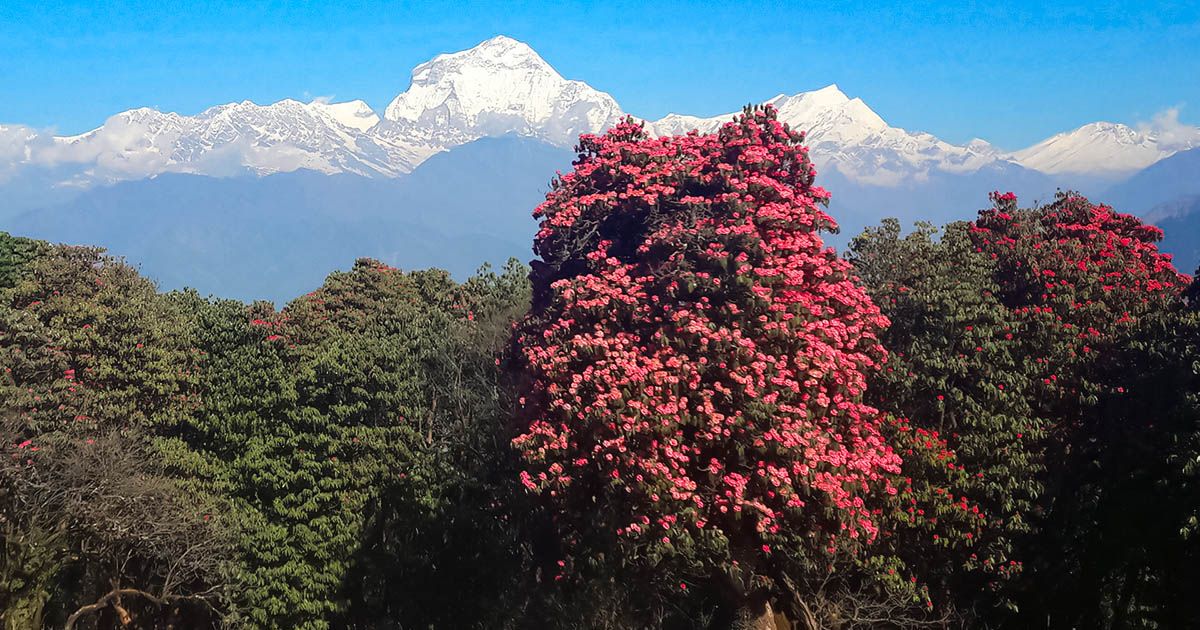
Warm, clear and colourful. The rhododendron forests are in full bloom, the skies are blue, and the mountain views are at their clearest. One of our favourite times to be on the trail.
Summer (June to August)
The monsoon season brings lush green landscapes and powerful waterfalls — but also heavy rain, muddy trails, and reduced visibility. Some routes like the Annapurna Circuit and Lower Mustang remain relatively dry thanks to their rain shadow position.
Autumn (September to November)
The finest season for trekking in Nepal. Crystal clear skies, stable weather, and the mountains at their most spectacular. This is peak season — and for very good reason.
Winter (December to February)
Cold, quiet and beautiful. Snow at higher elevations, peaceful trails, and sharp mountain views on clear days. Requires good preparation but rewards those who come ready.
Regardless of the season, we always recommend trekking with a local guide. Our guides know these mountains in every weather condition — they know when to push on, when to take shelter, and when to change the route entirely. That knowledge makes a real difference.
Further down you will find our season-by-season breakdown for every major route — and for Pokhara, where most treks begin. Take a moment to relax, breathe in, breathe out, and enjoy our blog. And when you are ready — set off to discover the beauty of Nepal.
Best Time to Trek on Poon Hill
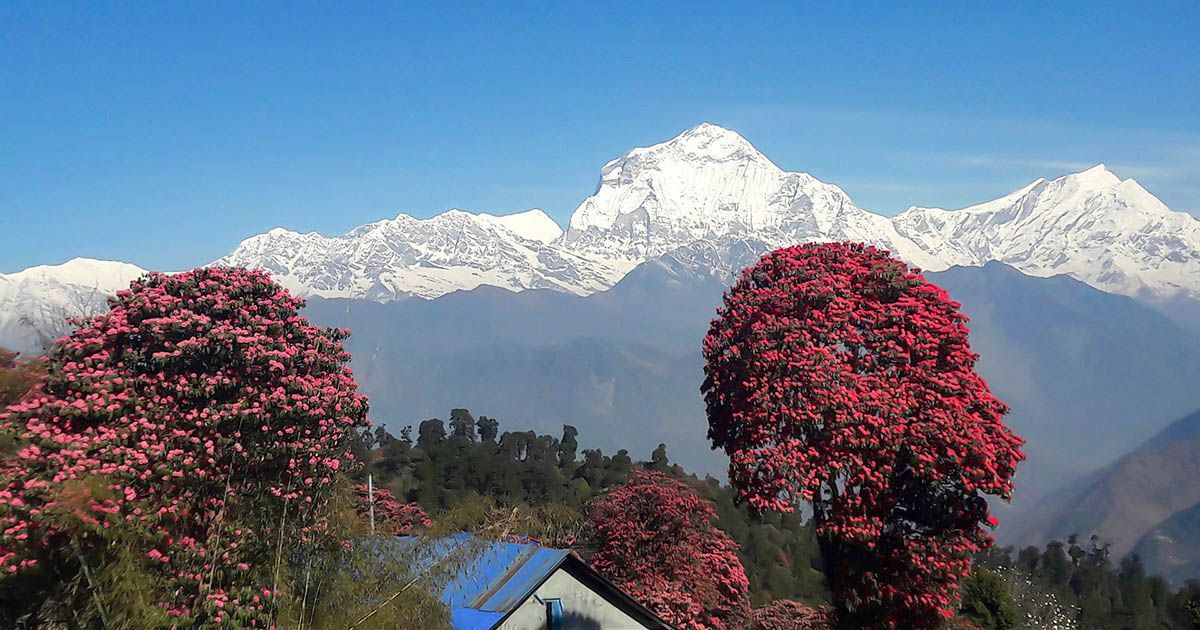
The Poon Hill Trek is one of the most accessible and rewarding treks in Nepal — and it can be enjoyed in almost any season. Here is what to expect throughout the year.
Spring (March to May)
Mild and wonderful — daytime temperatures between 5–20°C (41–68°F), cool nights around -5°C (23°F). The rhododendron forests are in full bloom and the mountain views are beautifully clear. One of our favourite times to be on this trail.
Summer (June to August)
The monsoon season brings warm temperatures between 15–25°C (59–77°F) and heavy rainfall that can make the trails muddy and challenging. We would gently suggest choosing a different season if your schedule allows.
Autumn (September to November)
The finest season for this trek. Clear skies, temperatures between 5–20°C (41–68°F), and the trail at its most vibrant. This is peak trekking season — expect to share the trail with other guests.
Winter (December to February) Cold and atmospheric, with temperatures between -5 to 5°C (23–41°F) during the day and dropping to -10°C (14°F) at night. Snow is possible at higher elevations. We always recommend trekking with an experienced guide during this season.
Please feel free to check
the weather forecast for Poon Hill
before you pack.
From Spring to Winter on Annapurna Base Camp Trek

The Annapurna Base Camp Trek takes you to 4,130 metres — and at that altitude, being well prepared for the weather is essential. Here is what each season looks like.
Autumn (September to November)
Our most recommended season. Clear skies, mild temperatures between 5–15°C (41–59°F) at lower elevations and -5 to 5°C (23–41°F) higher up. Perfect trekking conditions.
Spring (March to May)
Another excellent season — warming temperatures, rhododendrons in bloom, and good visibility throughout. Similar conditions to autumn.
Winter (December to February)
Challenging and beautiful. Temperatures at base camp can drop to -20°C (-4°F) and the trails can be snow-covered. Careful preparation is essential. Please do reach out and we will advise you honestly.
Summer (June to August)
Heavy monsoon rain, muddy trails, and an increased risk of landslides on some sections. Daytime temperatures range from 10–20°C (50–68°F) but conditions at base camp can be very cold and windy. We would advise choosing a different season if possible.
Please check
the weather forecast for Annapurna Base Camp
before you finalise your packing.
Four Seasons on Mardi Himal Trek
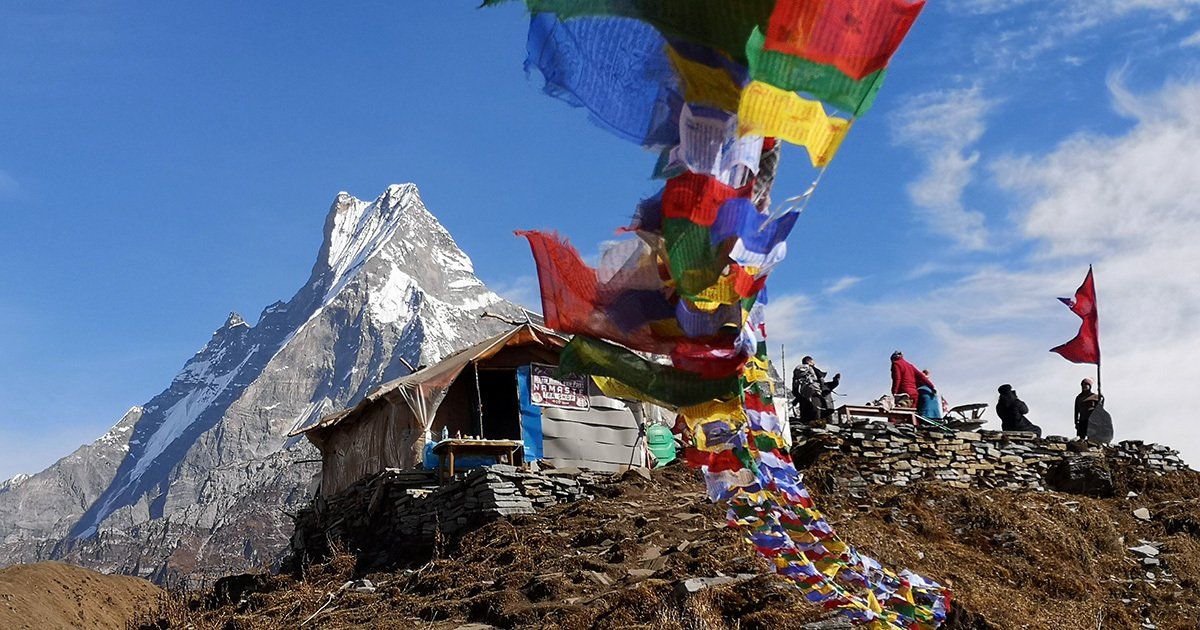
The Mardi Himal Trek is our personal favourite — and it can be done in most seasons. Here is what each one brings.
Spring (March to May)
Mild and beautiful — temperatures between 5–20°C (41–68°F) during the day and around 5°C (41°F) at night. The rhododendron forests are in full bloom and the mountain views are stunning. A wonderful time to be on this trail.
Summer (June to August)
The monsoon season brings warm days up to 25°C (77°F) but the trails can be muddy and the views often cloudy. We would gently suggest a different season if your schedule allows.
Autumn (September to November)
Clear skies, comfortable temperatures between 5–20°C (41–68°F), and some of the finest mountain views of the year. Our favourite season for this trek.
Winter (December to February)
Cold and icy on the higher sections, with temperatures dropping to -10°C (14°F) at night. A beautiful and peaceful time to trek for those who are well prepared.
Please feel free to check
the weather forecast for Mardi Himal
before you set off.
Journey Through the Seasons on Annapurna Circuit Trek
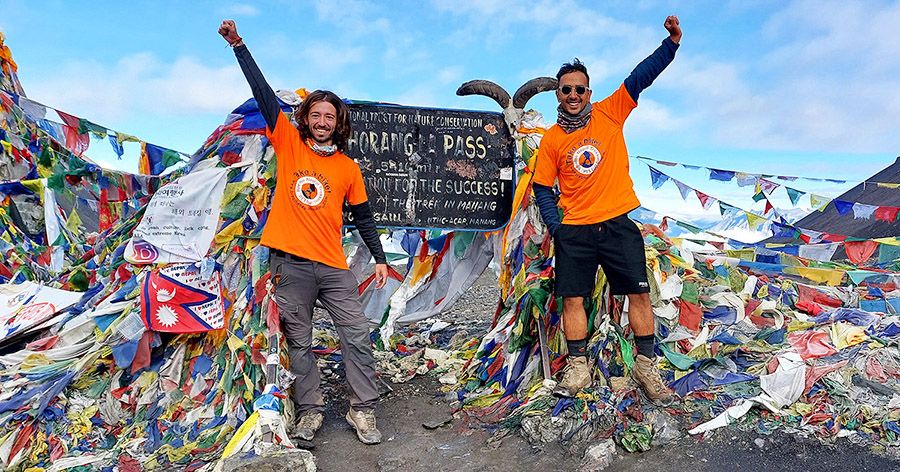
The Annapurna Circuit is one of the great trekking routes in the world — passing through dramatically different landscapes and altitudes. The weather varies considerably depending on where you are on the route.
Spring (March to May) and Autumn (September to November)
The finest seasons. Daytime temperatures between 15–25°C (59–77°F) at lower elevations, dropping below freezing at higher altitudes and at night. Clear skies and stable conditions throughout.
Summer (June to August)
Most of Nepal gets heavy monsoon rain — but the upper section of the Circuit around Mustang lies in a rain shadow and stays relatively dry. A good option for summer travellers. Please do reach out and we will advise on the best approach.
Winter (December to February)
The coldest and most challenging season. Thorong La Pass can be blocked by snow and temperatures can drop to -20°C (-4°F) or below. Possible for experienced trekkers with the right preparation — we are always happy to advise.
Please check the weather forecast for
Manang and
Thorong La Pass
before you finalise your packing.
Weather Patterns on Australian Camp Trek

The Australian Camp Trek is one of the most accessible treks from Pokhara — and one of the most flexible when it comes to seasons.
Spring (March to May) and Autumn (September to November)
The finest times for this trek. Comfortable temperatures between 20–25°C (68–77°F) and clear mountain views. Perfect for families and first-time trekkers.
Summer (June to August)
Warm days up to 35°C (95°F) with high humidity and occasional thunderstorms. The trail is quiet and the landscape is lush and green — a peaceful time to be outdoors if you do not mind the heat.
Winter (December to February)
Cool and crisp, with temperatures between 5–10°C (41–50°F). The trail is peaceful and the mountain views are sharp and clear. A warm jacket is all you need.
Please check
the weather forecast for Dhampus and Australian Camp
before you set off.
Exploring the Seasons in Pokhara

Pokhara is the starting point for most of our treks — and a beautiful city in its own right. Here is what the weather looks like throughout the year.
Winter (December to February)
Cool and pleasant, with average highs around 15°C (59°F) and lows around 5°C (41°F). Light frost is possible at night. A peaceful and quiet time to visit the city.
Spring (March to May)
Warming temperatures around 20°C (68°F) and the first hints of the coming monsoon. A lovely time to be in Pokhara — especially during the rhododendron season in the hills above.
Monsoon (June to September)
Heavy rainfall and high humidity, with temperatures around 25°C (77°F). Phewa Lake is particularly beautiful during this season. Some flooding is possible in lower areas — good rain gear is advisable.
Autumn (October to November)
Our favourite time to be in Pokhara. The air is clear, the mountains are visible, and the temperatures are perfectly comfortable. The best season to combine a city visit with a trek.
Please check the weather forecast for Pokhara before your visit.
Ready to Plan Your Trek?
Here are our best routes from Pokhara.