Trekking Health & Hygiene in Nepal — Everything You Need to Know
September 17, 2023
A Little Preparation Goes a Long Way
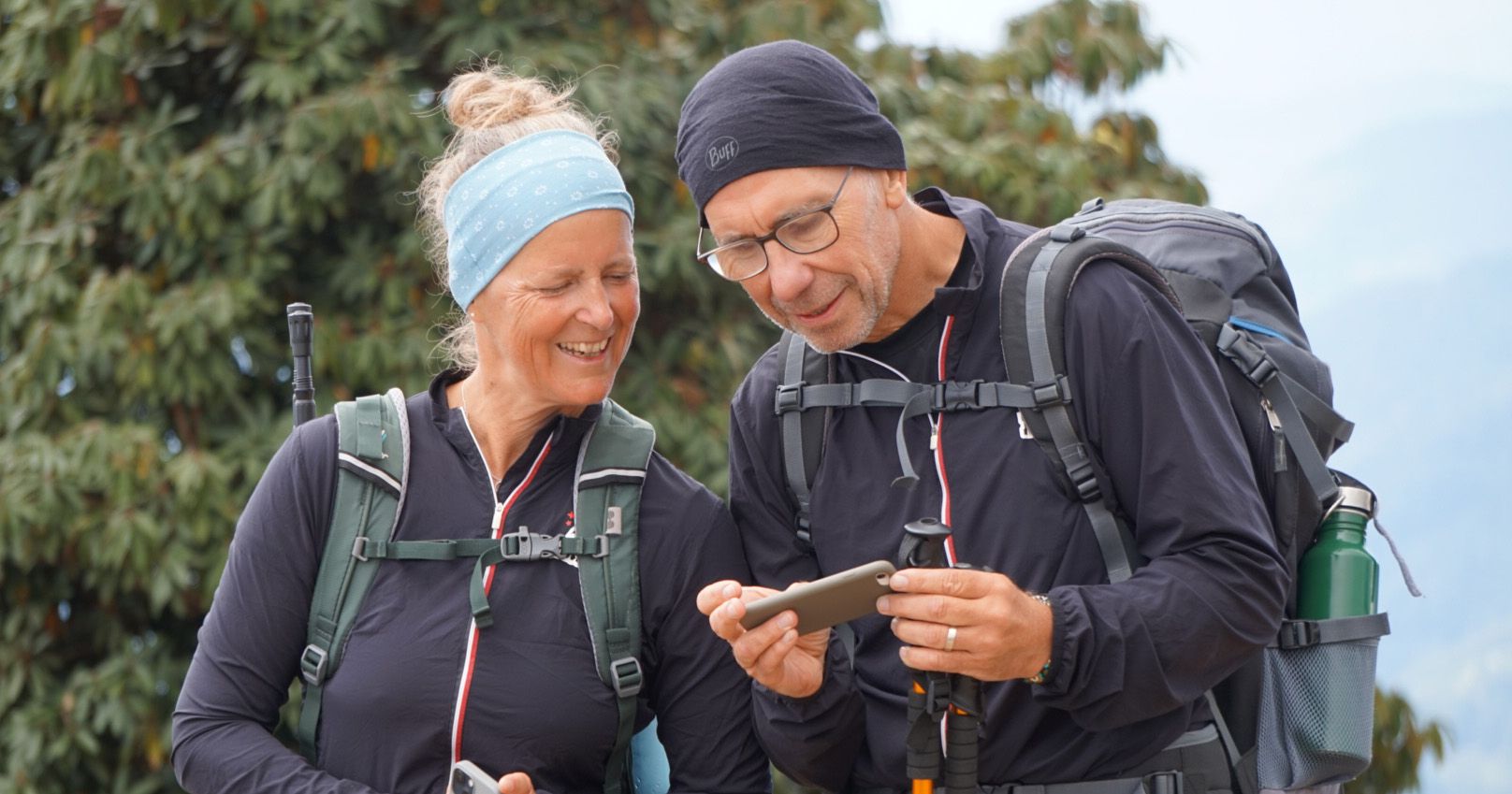
Nepal is one of the most extraordinary trekking destinations in the world — home to eight of the fourteen highest peaks on earth and some of the most remote and beautiful trails you will ever walk. Given the altitude, the terrain, and the distance from major medical facilities, looking after your health and hygiene on the trail is genuinely important.
We share these tips with every guest before they set off. We hope they help you feel confident, prepared, and ready for a wonderful adventure.
Vaccination Guidelines
No specific vaccination is mandatory for Nepal — the country is not classified as a high-risk zone for infectious diseases. That said, many travellers choose to be vaccinated before arrival, and we think that is a sensible precaution.
Common vaccinations to consider:
- Typhoid
- Hepatitis A and B
- Polio and Tetanus-diphtheria — please ensure your routine vaccines are up to date
- Yellow Fever — not required for Nepal, but necessary if arriving from a Yellow Fever zone
- MMR (Measles, Mumps, Rubella)
- Rabies — particularly important if you plan to explore rural areas or caves
- Japanese B Encephalitis
We always recommend consulting your healthcare provider before travelling, especially if you have existing medical conditions. Medicines are widely available in Nepal's cities, but it is always advisable to bring any prescribed medications from home.
Altitude Sickness — What to Know
Altitude sickness occurs when the body struggles to adapt to lower oxygen levels at higher elevations. Symptoms typically begin above 2,500 metres and can include headaches, dizziness, nausea, fatigue, shortness of breath, and disturbed sleep.
If you experience symptoms, the most important thing is to stop ascending and rest for 12 to 24 hours. If symptoms worsen, descend to a lower altitude immediately. Our guides are trained to recognise the signs and will always put your safety first — please do not hesitate to tell them how you are feeling.
To reduce the risk of altitude sickness: stay well hydrated, ascend gradually, eat lightly, and avoid alcohol and smoking at high elevations.
Insect and Snake Bites
Nepal is home to a variety of insects, though most bites result only in minor irritation. Mosquitoes are the main concern — please carry insect repellent, particularly anti-mosquito gel, and use it consistently in lower-altitude areas.
Snake bites are rare in Nepal's Himalayan trekking regions and are generally not a significant concern. That said, our guides are always alert to the local wildlife and will keep you informed.
Nepal's Healthcare System
Nepal has made significant progress in healthcare in recent years. Major cities like Pokhara and Kathmandu have well-equipped hospitals and clinics — some of which cater specifically to international travellers and accept insurance payments. In more remote areas, basic health posts are available but facilities are limited.
We strongly recommend obtaining comprehensive travel insurance before you arrive — including emergency evacuation and medical coverage. Please also consult your country's embassy or consulate for guidance on healthcare options and evacuation protocols before your journey.
First Aid Essentials
We recommend consulting your healthcare provider before you travel to put together a basic first-aid kit. For trekking in Nepal, the following items are particularly useful:
- Painkillers
- Electrolytes
- Acetazolamide tablets (for altitude sickness)
- Wound and blister bandages
- Antiseptic gel
- Antibiotics
- Medication for common cold, food poisoning, and diarrhoea
- Personal prescription medications
Pharmacies in Nepal
Pharmacies are plentiful in Kathmandu and Pokhara, offering a wide range of medications — many available without a prescription. However, as you venture further into the mountains, pharmacies become increasingly scarce. We always recommend stocking up on essential health supplies in Pokhara before your trek begins. Please note that payments in remote areas are almost always cash only.
Food and Water Hygiene
Nepal offers wonderful food — from hearty Dal Bhat to fresh mountain cooking at the teahouses. Food in cities is generally very hygienic, but on the trail we would always recommend opting for freshly cooked, vegetarian dishes at higher altitudes, checking expiration dates on packaged items, and drinking only boiled or purified water. Please never drink directly from the tap.
A reusable, insulated water bottle is one of the most practical items you can bring. Water is available for refilling along the trail, which also helps reduce plastic waste — something we care about deeply.
Emergency Contacts
We hope you never need these — but please save them before you set off:
- General Emergency: 112
- Ambulance: 102
- Police: 100
Please also keep your embassy or consulate contact details on hand, and inform them of your itinerary before you begin your trek.
Nepal is a land of breathtaking beauty — and with the right preparation, your health and hygiene on the trail need never be a concern. We are always here if you have any questions before you arrive.
Breathe in. Breathe out. Enjoy Nepal.
Ready to Trek?
Here are our best routes from Pokhara.